







Search Results for: Kona Coffee Belt
Flavor, Grade Classification, and Recommended Famous Brands of Hawaiian Kona Coffee Beans Typica Variety
Kona coffee and Blue Mountain coffee were once known as "one king and one queen," representing the pinnacle of island-style specialty coffee. Although the growing elevation in Hawaii's Kona region is mostly between 200 and 700 meters, unable to reach the 1,200-meter standard often cited for specialty coffee, its unique terroir and strict grading system have kept Kona coffee beans firmly among the top-tier coffees. This article will systematically review the historical origins of Kona coffee, the localization process of the Typica variety, and the five grades of Type 1 standard beans, with a focus on introducing the Queen Estate Extra Fancy-grade Kona coffee selected by FrontStreet Coffee, including its region information, roasting parameters, and brewing suggestions, to give you a comprehensive understanding of this Hawaiian treasure with elegant floral aromas and a smooth mouthfeel. [more…]
A Complete Analysis of the Hawaii Kona Coffee Region: The Unique Combination of Typica Variety, Volcanic Soil, and Washed Processing
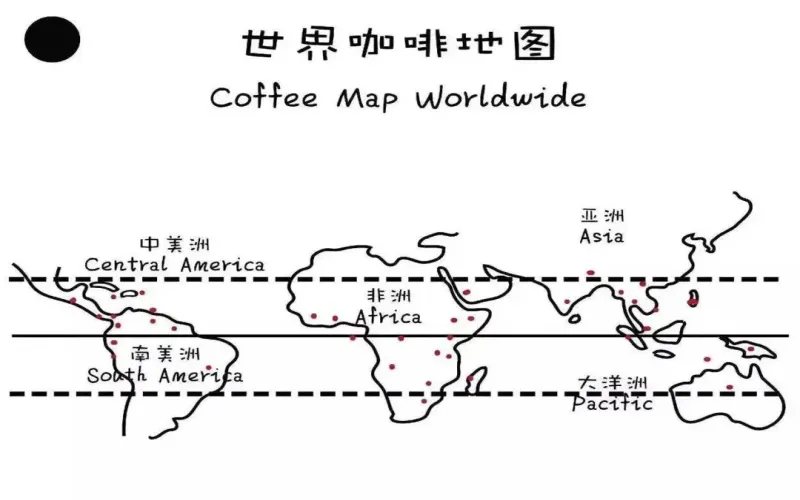
Coffee typically grows within the cultivation belt between the Tropic of Cancer and the Tropic of Capricorn, and the continental United States does not fall within this zone. However, the state of Hawaii, with its unique geography and climate, has successfully produced the world-renowned Kona coffee. The Kona growing region is located on the slopes of the Big Island, with fertile volcanic soil and natural shade, primarily cultivating the Typica variety introduced from Guatemala. Because the hillside terrain prevents mechanized operations, the entire process here relies on manual planting and harvesting, and combined with the Hawaiian mountain spring water used in the washed processing, this creates the bright, clear appearance and pure, gentle flavor of Kona coffee beans. This article will provide a detailed introduction to the geographical conditions, historical context, variety characteristics, and processing methods of the Kona growing region, giving you a comprehensive understanding of this low-latitude yet high-altitude coffee treasure. [more…]
A Complete Guide to Hawaiian Kona Coffee Beans: Terroir, History, and Grading and Processing Methods Explained
Kona coffee comes from the western coast of the Big Island of Hawaii in the United States. It is as famous as Jamaican Blue Mountain coffee, and together they have long been praised as "one king and one queen." The unique island climate and volcanic soil here allow coffee to grow full and flavorful even at the relatively low elevation of 200 to 800 meters. From coffee first being introduced in 1817, to missionaries promoting large-scale cultivation, to Guatemalan Typica replacing Brazilian varieties, Kona coffee endured pests and waves of industry change before finally achieving its current specialty status. Its green beans are known for their plump, jade-like appearance, and strict grading standards and hand sorting ensure quality. This article will systematically introduce the terroir conditions, historical development, green bean grading, and washed processing method of the Kona producing region, and share Front Street Coffee's roasting and brewing suggestions, giving you a comprehensive understanding of this world-class specialty coffee. [more…]
A Panoramic Overview of Latin American Coffee Origins: From Brazil and Colombia to Niche Producers Like Cuba and the Dominican Republic
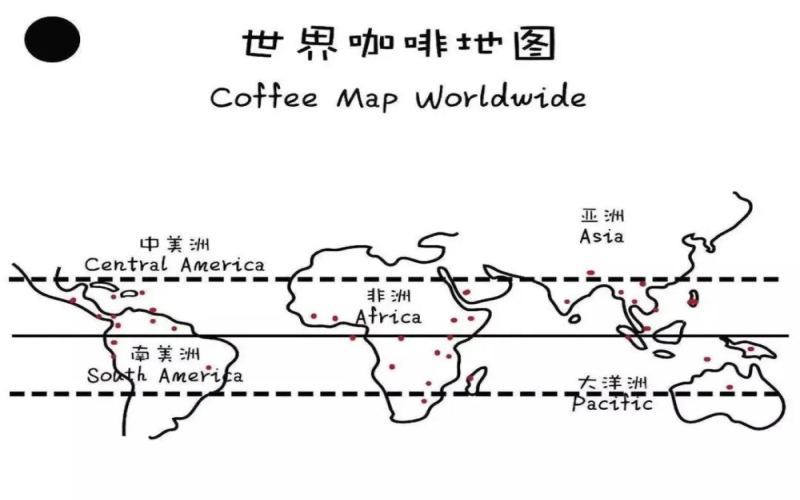
Coffee trees cannot be grown just anywhere in the world. They only grow in a narrow belt between the Tropic of Cancer and the Tropic of Capricorn, commonly known as the "Coffee Belt." This golden growing belt nurtures three major coffee-producing regions—Latin America, Asia-Pacific, and Africa. Among them, Latin America covers Mexico, Central America, the West Indies, and South America, and is known for its balanced, rich, and full-bodied flavors. The region includes thirty-three countries and several non-independent territories. It is home to major producers such as Brazil, Colombia, Costa Rica, Guatemala, and Panama, as well as relatively niche origins such as Cuba, the Dominican Republic, Venezuela, and Hawaii in the United States. Front Street Coffee will guide you through the coffee history and current situation of these countries one by one. [more…]
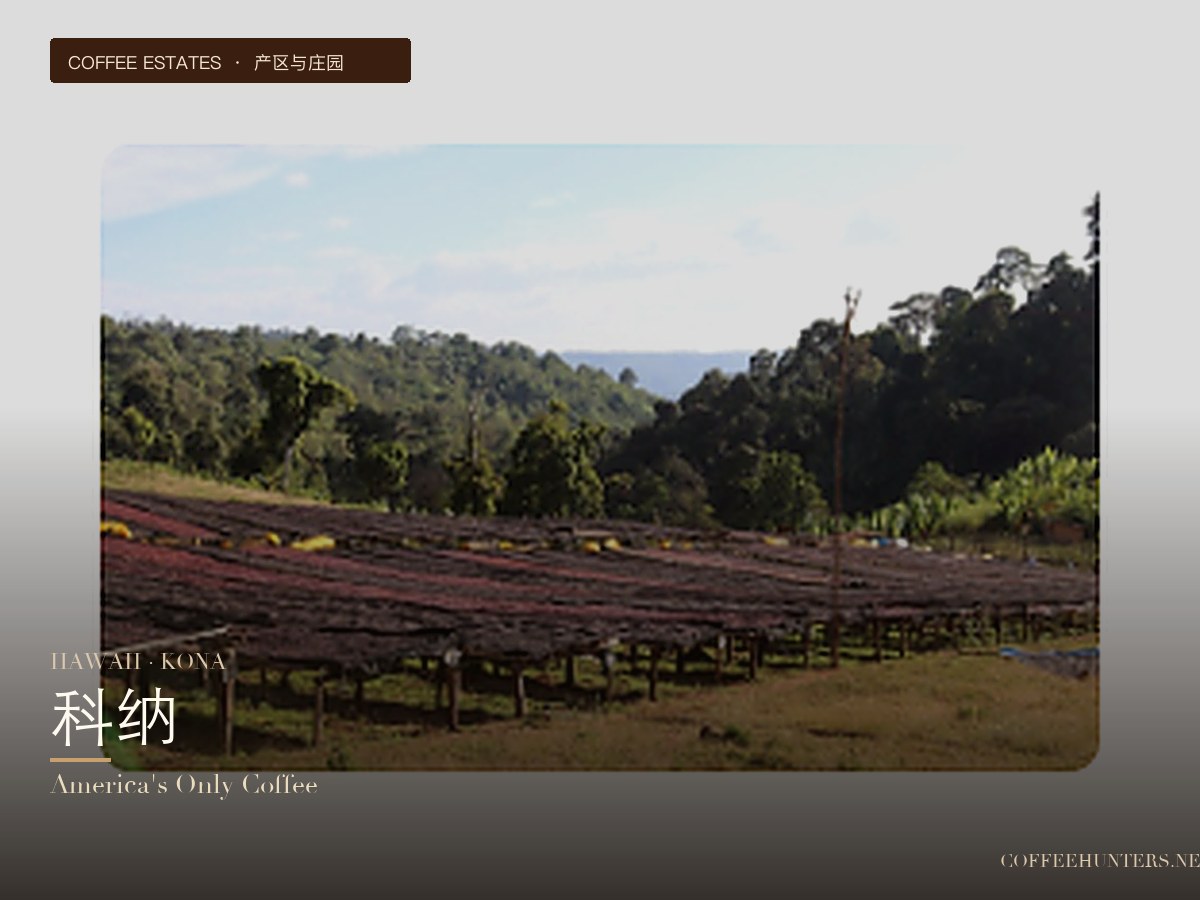
Hawaii·Kona: The Only American-Grown Coffee in the World
Hawaiian Kona is the only specialty coffee grown in the United States and one of the most expensive island coffees in the world. This article takes you through Kona's geography, its strict grading system, and its distinctive flavor. [more…]
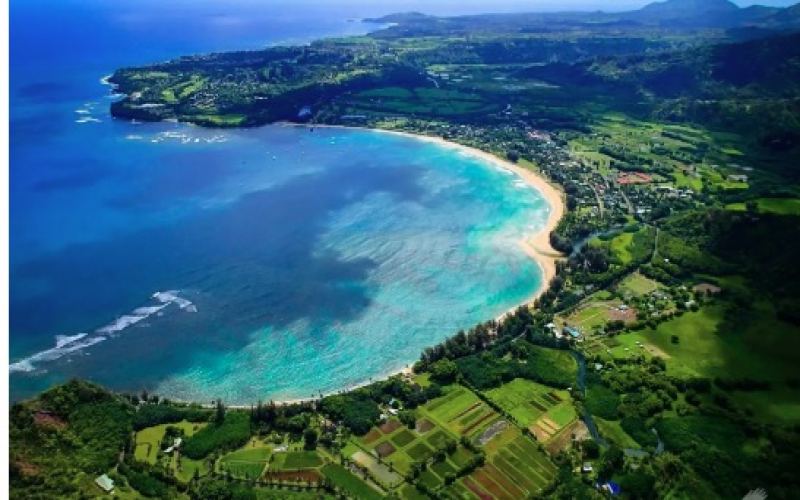
Introduction to the varieties in the Kona coffee producing area in Hawaii, USA.
As we all know, coffee is generally grown in the coffee growing zone, that is, the equatorial zone between the north and south tropic lines. However, the United States is not in this range, and the climate conditions are not very suitable for the gro [more…]
A Comprehensive Analysis of Hawaiian Kona Coffee Beans: Flavor Characteristics, Processing Methods, and Brewing Recommendations
Hawaii is the only U.S. state that produces coffee, and Kona coffee is the star among them. This article takes you to Rusty's Farm and Queen's Farm to learn how hand-picking and meticulous processing create the unique flavor of Kona coffee. From strict grading standards to the interwoven aromas of chocolate, vanilla, lavender, and mandarin orange, and on to practical brewing tips for everyday use, it offers an in-depth look at the charm of Hawaiian coffee. At the same time, Front Street Coffee also offers you freshly roasted top-grade Kona beans and invites you to visit the shop for a tasting. [more…]
A Complete Guide to Coffee Basics: A Detailed Explanation of Coffee Bean Varieties, Flavor Characteristics, and Brewing Methods from Twelve Major Global Regions
For those who are just beginning to explore specialty coffee, understanding the terroir, variety characteristics, and processing methods of the world's major coffee-producing countries is an important step in building a coffee knowledge system. On the small blackboard beside the bar at Front Street Coffee, more than thirty kinds of coffee beans from the global coffee golden belt are displayed. Based on this, this article sorts out one by one the geographical environment, representative varieties, and classic processing methods of twelve major producing regions—Ethiopia, Kenya, Papua New Guinea, Guatemala, Hawaii, Jamaica, Panama, Colombia, Costa Rica, Indonesia, Brazil, and Yunnan, China—and combines them with the cupping flavors of various representative beans under Front Street to help readers quickly build a complete thread from origin to flavor in the cup. [more…]

A Complete Guide to Hawaiian Kona Coffee: From Terroir to a Flavor Comparison with Jamaican Blue Mountain
Hawaii is the only U.S. state that produces coffee, and the Arabica coffee grown in the Kona region of the Big Island is renowned worldwide. This article will guide you through Hawaii's coffee-growing environment, the unique terroir of Kona coffee and its tradition of home cultivation, and take an in-depth look at Queen Farm's specialty Kona beans and recommended roasting approaches. We will also compare Kona with the equally famous Jamaican Blue Mountain coffee, examining their differences in history, growing regions, processing methods, and flavor profiles, to help coffee lovers find the perfect island coffee for themselves. [more…]
The Legendary Story of Hawaiian Kona Coffee: A Comprehensive Analysis of Variety Characteristics, Growing Conditions, and Flavor
Hawaii is the only U.S. state that produces coffee, and Kona coffee is the crown jewel among them. From the perspective of Front Street Coffee, this article guides you through an overview of Hawaiian coffee, the unique terroir of the Kona region, information on specialty beans from Queen Estate, and Front Street Coffee's roasting recommendations and flavor descriptions. We will also compare Kona with Jamaica Blue Mountain, analyzing their similarities and differences in variety, altitude, processing method, and flavor. Whether you are new to specialty coffee or eager to explore the charm of island coffee, this article will provide you with a complete and professional reference. [more…]
Hawaiian Kona Coffee: Cultivation History and Flavor Characteristics, with a Front Street Coffee Queen Estate Pour-Over Parameter Guide
Kona coffee is produced on the Big Island of Hawaii, the only U.S. state that commercially cultivates coffee, with an annual output exceeding 8 million pounds. Volcanic soil, island climate, and the family-farm model together shape its signature flavor: smooth and aromatic, with nutty sweetness and balanced acidity. This article traces the development of Kona coffee from the introduction of Typica in the 19th century to Queen's Estate winning awards, analyzes its five-level grading system and manual harvesting tradition, and fully documents Front Street Coffee's brewing experiments using five devices—V60, siphon, AeroPress, French press, and KONO—with roasting curves and flavor descriptions, providing coffee enthusiasts with a systematic guide to Kona coffee. [more…]
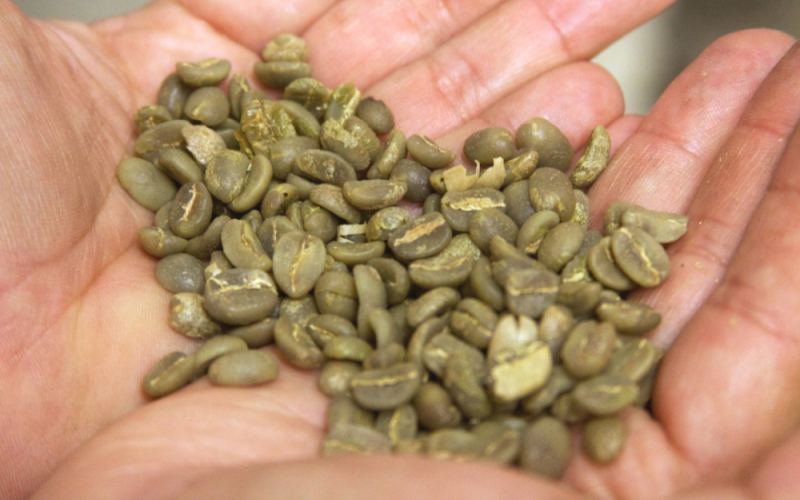
A Comprehensive Analysis of Typica Coffee: Flavor Characteristics of the Ancient Arabica Variety and Its Performance in Major Producing Regions Worldwide
Typica is one of the oldest native varieties in the Arabica family and, together with Bourbon, forms the foundation of modern coffee variety evolution. Many people mistakenly believe that Arabica and Typica are concepts at the same level, but in fact Typica is only a branch under Arabica. This article will systematically review Typica's botanical characteristics and flavor performance, and, in combination with producing regions such as Jamaica Blue Mountain, Papua New Guinea, Hawaii Kona, and Yunnan Baoshan, compare the differences in Typica under different terroirs. Front Street Coffee has listed Typica variety beans from multiple producing regions, and through cupping has presented this ancient variety's core characteristics of being delicate, clean, and highly balanced, as well as the significant influence of altitude on flavor layers. [more…]
A Complete Analysis of the World's Top Ten Coffee Producing Regions: From Brazil to Guatemala, the Flavor Differences Between Mandheling and Blue Mountain Explained Once and for All
The golden coffee-growing belt spans the Tropics of Cancer and Capricorn. The climate, terrain, altitude, and processing methods of different producing countries give coffee beans vastly different flavor personalities. In this article, Front Street Coffee will guide you through the world's top ten coffee origins—from Brazil's balanced sweetness and Costa Rica's honey-processed sweetness, to Indonesia Mandheling's rich herbal aroma and Jamaica Blue Mountain's clean elegance, and on to Ethiopia's floral and fruity notes and Kenya's cherry tomato-like acidity. It will also answer a question many enthusiasts care about: which is actually better-tasting, Mandheling or Blue Mountain coffee beans? The two have completely different styles and suit different taste preferences, and after reading this article you will have a clearer judgment. [more…]
Jamaica Blue Mountain and Hawaiian Kona: From Terroir to Grading and Brewing, Understanding the True Faces of the King and Queen of Coffee
Blue Mountain and Kona—one hailed as the King of Coffee, the other as the Queen of Coffee. Both are representatives of the Typica variety, yet due to differences in terroir, historical context, and processing methods, they present distinctly different flavor profiles. From the perspective of Front Street, this article systematically examines the origin history, grading system, and flavor characteristics of Jamaican Blue Mountain, while also delving into the growing regions, variety traits, and grading standards of Hawaiian Kona. Combined with specific brewing methods for Front Street Blue Mountain No. 1 and Hawaiian Kona, it helps coffee enthusiasts fully understand the true value of these two legendary coffees. [more…]

A Global Tour of the Top Ten Renowned Coffee Producing Regions: A Complete Analysis of Specialty Coffee Bean Flavors from Brazil to Yunnan
Coffee, tea, and cocoa are the world's three major beverages. Coffee beans from different producing countries exhibit distinctly different flavor characteristics due to differences in terroir. In this article, Front Street Coffee reviews the world's top ten single-origin coffee bean producing regions, covering Brazil, Indonesia, Colombia, Costa Rica, Ethiopia, Kenya, Guatemala, Jamaica, Hawaii, and Yunnan, China. From variety selection and processing methods to flavor performance, it analyzes the core characteristics of each producing region one by one. It also introduces the blending concepts and brewing performance of several representative coffee beans under the Front Street brand, providing coffee enthusiasts with a systematic guide to regional flavors. [more…]
Counting Down the World's Ten Most Expensive Coffee Beans: Geisha Leads the Sky-High Rankings, Front Street Red Label Stands Out for Value
How expensive can a cup of coffee be? From the 90+ experimental batch at $5,000 per kilogram, to the展望 Ruby priced at 1,010 yuan per cup, to the Panamanian Geisha that keeps breaking records at the BOP auction, the price ceiling of the world's top coffee beans has been pushed higher again and again. This article systematically reviews the 2019 edition of the world's most expensive coffee beans ranking, covering rare varieties such as 90+ Company's #227 batch, Hacienda La Esmeralda Red Label Geisha, Sofia Super Geisha, civet and elephant dung coffee, St. Helena, Jamaican Blue Mountain, Incht Pachamama, and Hawaiian Kona, with detailed explanations of their origin backgrounds, processing methods, and flavor characteristics. At the end, it specially recommends the Hacienda La Esmeralda Red Label Geisha roasted by Front Street Coffee, which, at a price of 350 yuan per 100 grams, makes high-end Geisha an everyday option and provides enthusiasts with a choice that combines quality and value for money. [more…]

A Complete Analysis of the Typica Coffee Variety: Subcategory System, Variety Characteristics, and the Story of Its Origin and Spread
Typica is one of the oldest varieties of Arabica coffee, and the vast majority of Arabica varieties today carry its genetic lineage. This variety has an elegant flavor and a clean mouthfeel, yet it is becoming increasingly scarce due to its weak constitution, poor disease resistance, and limited yield. This article will systematically review Typica's origins and spread, its plant morphology and characteristics, the impact of leaf rust on it, and the many well-known sub-varieties derived from it. It will also combine representative beans sold by Front Street Coffee—such as Golden Mandheling, Yunnan Typica, Jamaica Blue Mountain No. 1, and Hawaii Kona—to present the full flavor profile of the Typica family along with roasting and brewing approaches. [more…]
Flavor Comparison of the World's Sixteen Major Specialty Coffee Producing Regions Including Brazil: A Full Analysis from Green Beans and Roasted Beans to Brewing Parameters
The world coffee map spans three major producing regions—Africa, Asia, and the Americas—where differences in varieties, processing methods, and terroir give rise to distinctly different flavors in the cup. This article begins with the basic concepts of green coffee beans and roasted beans, and systematically reviews the coffee characteristics of sixteen famous producing regions, including Brazil, Colombia, Vietnam, Indonesia, Mexico, Guatemala, El Salvador, Honduras, Costa Rica, Cuba, Jamaica, Kenya, Tanzania, Ethiopia, Yemen, and Hawaii. Front Street Coffee, with the original intention of tasting coffee beans from around the world, has established a comparative database between different producing regions and processing methods through actual brewing and flavor records, helping coffee enthusiasts understand the diversity of the coffee world more comprehensively. [more…]
Unveiling the Oldest Coffee Variety Typica: Red Bourbon Traits, Flavor Profile, and Three Classic Representative Beans
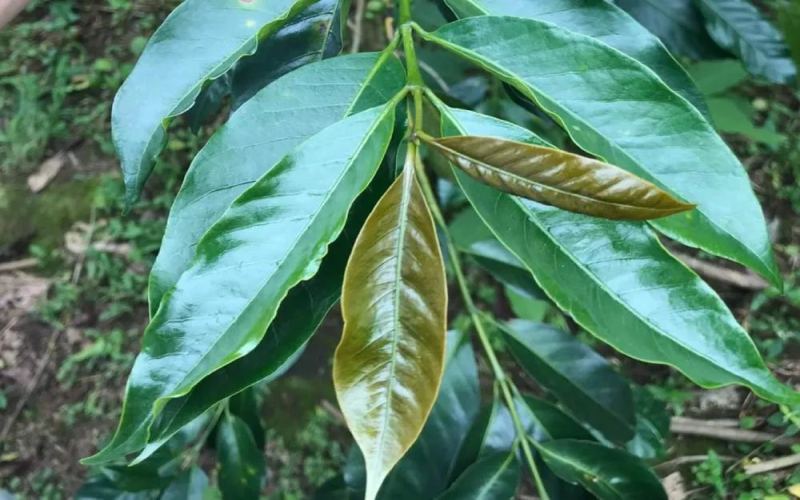
Typica is recognized as one of the oldest and finest varieties in the coffee family tree, and legendary beans such as Jamaican Blue Mountain, Sumatra Mandheling, and Hawaiian Kona all trace their origins to it. This article begins with the variety's characteristics, explaining Typica's signature bronze-tipped new leaves, conical plant shape, and long, pointed bean form, analyzing its citrus-like acidity, slight bitterness with a sweet finish, and clean, transparent cup profile, while also pointing out its inherent weaknesses of poor disease resistance and low yield. The article also reviews three Typica coffees on the Front Street Coffee bean list—Jamaican Blue Mountain No. 1, Front Street Coffee 2013 Sun-Dried Typica, and Papua New Guinea Paradise Bird—breaking down each one's terroir, processing method, and flavor highlights to give you a comprehensive understanding of this classic old variety. [more…]
A Complete Analysis of the Flavor Characteristics, Cultivation Yields, and Processing Methods of the World's Top Ten Coffee-Producing Countries
The flavor code of coffee is often hidden in the land where it grows. From the African highlands to the Central American volcanic belt, and then to the Asian archipelago, each producing region shapes a completely different cup profile through its unique terroir. This article systematically reviews the flavor, taste, planting output, and mainstream processing methods of ten representative origins—Ethiopia, Kenya, Colombia, Guatemala, Honduras, Indonesia, Rwanda, Panama, Hawaii, and Costa Rica—to help coffee lovers build a clear framework for understanding producing regions. The article also retains related recommendations and product information from Front Street Coffee for daily purchasing reference. [more…]